eva@dw-al.com
+86 138 388 02090
2026-05-19 03:21:32
In the modern beverage packaging industry, visual appeal and functional performance are no longer separate priorities. Brands compete not only through taste and product quality but also through shelf impact and consumer perception. Among all packaging materials used in beverage cans, high-gloss printed aluminum coil has become one of the most critical solutions for achieving both premium appearance and reliable industrial performance. It combines advanced surface treatment, precision printing technology, and metallurgical stability to meet the demanding requirements of high-speed can production lines.
This article explains the technical value, manufacturing considerations, application advantages, and selection criteria of high-gloss printed aluminum coil for beverage can packaging. It is designed to help packaging engineers, procurement managers, and beverage brand owners make informed decisions based on real industrial needs.
High-gloss printed aluminum coil refers to pre-coated aluminum sheet material that undergoes surface polishing, coating, and high-resolution printing before being formed into beverage cans. Unlike raw aluminum sheets, this material is processed to deliver both decorative and functional performance.
The aluminum substrate typically consists of alloys such as 3104 or 3105, which are widely used in can body applications due to their excellent formability, corrosion resistance, and strength-to-weight balance. After alloy selection and rolling processes, the coil is subjected to cleaning, coating, and printing stages that define its final visual and protective characteristics.
The high-gloss finish plays a crucial role in enhancing brand visibility. It creates a reflective surface that improves color vibrancy and sharpness of printed graphics, making beverage cans more attractive on retail shelves.
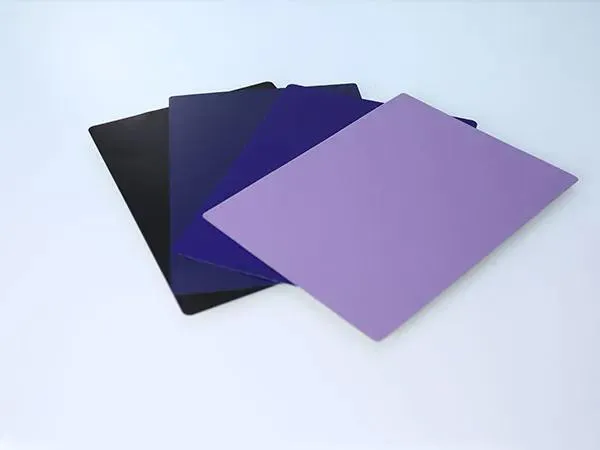
The production of high-gloss printed aluminum coil involves several precision-controlled steps. Each stage directly influences final quality, especially in terms of gloss level, ink adhesion, and coating durability.
2.1 Surface Pretreatment
Before any coating is applied, the aluminum surface must be thoroughly cleaned and chemically treated. This process removes oxides, oils, and impurities that could affect adhesion. A conversion coating layer is then applied to improve corrosion resistance and ensure stable bonding between aluminum and subsequent coatings.
2.2 Base Coating Application
A base coat is applied to create a uniform surface and enhance brightness. This layer is engineered to support high-gloss reflection while maintaining compatibility with printing inks. The coating thickness must be precisely controlled to avoid defects such as uneven gloss or surface waviness.
2.3 High-Resolution Printing
Modern beverage packaging relies on high-definition printing technologies, typically using offset or gravure printing systems. These systems allow multi-color designs, gradient effects, and fine text reproduction. High-gloss aluminum coil enhances these prints by increasing contrast and saturation, making brand elements more visually striking.
2.4 Protective Overcoat and Curing
After printing, a protective lacquer is applied to preserve the design and prevent abrasion during coil handling and can forming. The curing process, usually performed in controlled high-temperature ovens, ensures that coatings achieve full chemical resistance and mechanical durability.
Beverage packaging is one of the most demanding industrial applications for coated aluminum materials. High-gloss printed aluminum coil must meet multiple performance standards simultaneously.
3.1 Formability and Mechanical Strength
During can manufacturing, aluminum coils undergo deep drawing and stretching processes. The material must maintain structural integrity without cracking or wrinkling. Alloy composition and temper condition, often H19 or similar, are carefully selected to ensure optimal balance between strength and ductility.
3.2 Adhesion Stability
Strong adhesion between coating layers and aluminum substrate is essential. Poor adhesion can lead to peeling during forming or filling processes, which compromises both aesthetics and food safety compliance.
3.3 Corrosion Resistance
Beverage cans often contain acidic or carbonated liquids. The aluminum surface must resist corrosion over long storage periods. High-quality coatings act as a barrier that prevents direct contact between the beverage and the metal substrate.
3.4 Food Safety Compliance
Materials used in beverage packaging must comply with international food safety standards. This includes restrictions on heavy metals, volatile organic compounds, and coating migration limits. Reliable suppliers ensure full compliance with FDA, EU, or other regional regulations.
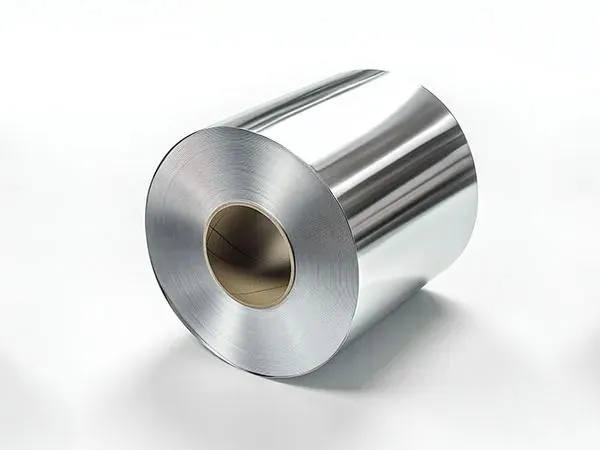
The adoption of high-gloss printed aluminum coil offers several strategic advantages for beverage manufacturers and brand owners.
4.1 Enhanced Shelf Appeal
High gloss significantly improves visual brightness and color depth. On crowded retail shelves, this effect helps products stand out and increases consumer attention. In many cases, packaging design directly influences purchasing decisions, making surface quality a key marketing factor.
4.2 Lightweight and Sustainable Packaging
Aluminum is fully recyclable without loss of quality. Beverage cans made from aluminum coil contribute to circular economy systems and reduce environmental impact compared to alternative packaging materials. The lightweight nature of aluminum also reduces transportation costs and carbon emissions.
4.3 High-Speed Production Compatibility
Modern beverage production lines operate at extremely high speeds. High-gloss printed aluminum coil is engineered to withstand rapid forming, printing, and filling processes without degradation of surface quality.
4.4 Cost Efficiency at Scale
Although high-gloss coatings involve advanced processing, large-scale production allows cost optimization. Beverage manufacturers benefit from reduced defect rates, improved production efficiency, and longer shelf life, which collectively enhance overall cost performance.
Industrial users rely heavily on consistent quality when selecting aluminum coil suppliers. Quality control systems typically include:
Thickness measurement and tolerance control
Gloss level testing using reflectometry instruments
Coating adhesion tests such as cross-hatch evaluation
Impact and bending resistance testing
Corrosion resistance and salt spray testing
Color consistency verification across batches
A stable production system ensures that every coil meets the same performance standard, which is essential for uninterrupted beverage can manufacturing.
High-gloss printed aluminum coil is widely used across various beverage categories, including:
Carbonated soft drinks
Energy drinks
Beer and malt beverages
Juice and flavored water
Ready-to-drink coffee and tea products
Each category may require different surface designs, coating resistance levels, and printing complexity. For example, energy drink packaging often demands bold, high-contrast graphics, while premium beer brands may prefer refined metallic textures and subtle gloss control.
When selecting a supplier or material specification, procurement teams should evaluate several critical factors:
Stability of alloy composition and mechanical properties
Printing resolution and color consistency capabilities
Coating durability under high-speed forming conditions
Compliance with food safety certifications
Production capacity and delivery reliability
Technical support and customization capabilities
A reliable supplier does not only provide material but also contributes engineering expertise to optimize packaging performance and reduce production risks.
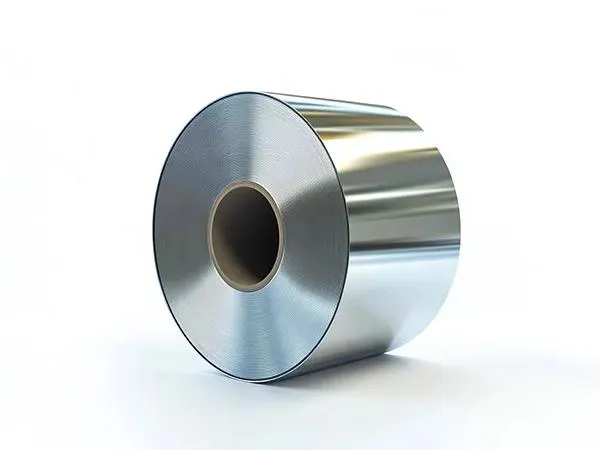
The beverage packaging industry continues to evolve toward higher sustainability and more advanced visual design. Future development trends for high-gloss printed aluminum coil include:
Lower energy curing coatings to reduce carbon footprint
Advanced nano-coatings for improved scratch resistance
Digital printing integration for flexible customization
Increased use of recyclable and eco-friendly coating materials
Enhanced smart packaging compatibility, such as QR and traceability printing
These innovations will further strengthen aluminum’s position as the preferred material for beverage packaging worldwide.
High-gloss printed aluminum coil for beverage can packaging represents a combination of material science, surface engineering, and printing technology. Its value lies not only in its aesthetic performance but also in its structural reliability, food safety compliance, and compatibility with modern high-speed production systems.
For beverage brands seeking stronger market presence and for manufacturers aiming to improve production efficiency, selecting a high-quality aluminum coil solution is a strategic decision rather than a simple material choice. As global packaging standards continue to rise, the importance of stable, visually appealing, and environmentally responsible materials will only increase.
By understanding the technical foundation and industrial advantages of high-gloss printed aluminum coil, companies can make more informed decisions that support both brand development and long-term operational success.