eva@dw-al.com
+86 138 388 02090
2026-05-12 03:04:42
In modern architectural decoration, transportation, and industrial manufacturing, PVDF coated printed aluminum coil has become one of the most widely used high-performance materials due to its excellent weather resistance, aesthetic versatility, and mechanical stability. Among all its performance indicators, bending performance plays a critical role because it directly determines whether the material can be safely formed, processed, and applied in real engineering environments without surface damage or structural failure.
Understanding the bending behavior of PVDF coated printed aluminum coil is essential for engineers, fabricators, and procurement specialists who aim to ensure durability, production efficiency, and long-term service reliability. This article provides a comprehensive analysis of its bending performance from a materials engineering perspective, including influencing factors, testing methods, application relevance, and selection considerations.
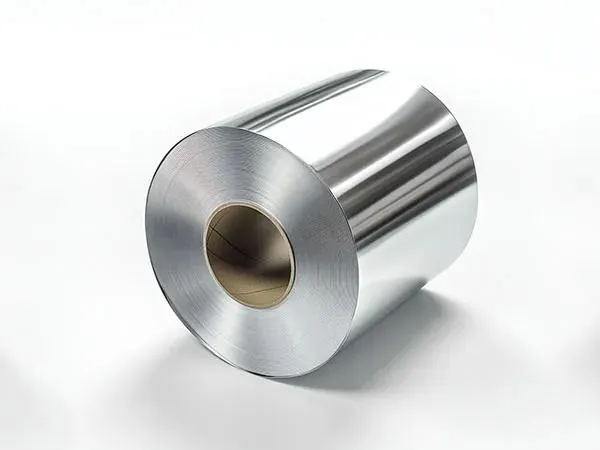
PVDF coated printed aluminum coil is an aluminum substrate material that is coated with polyvinylidene fluoride (PVDF) resin and further processed with high-quality printing technology. The PVDF coating system is known for its exceptional chemical stability, UV resistance, and long service life, which makes it suitable for outdoor architectural applications such as curtain walls, roofing systems, and decorative facades.
The printed layer adds aesthetic value by allowing patterns such as wood grain, stone texture, metallic finishes, and customized graphic designs. However, beyond appearance, the mechanical integrity of the coating during forming processes, especially bending, determines whether the material can maintain its functional and visual performance after fabrication.
Bending performance refers to the ability of coated aluminum coil to withstand deformation without cracking, peeling, whitening, or delamination of the coating layer. In real-world production, aluminum coils are often subjected to roll forming, folding, stamping, and bending into complex shapes.
If the coating system lacks sufficient flexibility or adhesion, surface defects may occur during processing, which can significantly reduce product quality and lifespan. Therefore, bending performance is not only a laboratory indicator but also a practical quality benchmark for industrial users.
For architectural applications, bending performance determines whether panels can be formed into curved façades or sharp-edged structures. In transportation and appliance industries, it affects manufacturability and assembly precision.
1. Aluminum Alloy Substrate Selection
The bending behavior of PVDF coated printed aluminum coil is strongly influenced by the mechanical properties of the aluminum substrate. Alloys such as 3003, 3105, and 5005 are commonly used due to their balanced strength and ductility. A substrate with higher elongation capacity generally provides better resistance to cracking during bending.
If the alloy is too hard or has insufficient ductility, micro-cracks may form under stress, which can propagate into the coating layer.
2. Coating Thickness and Structure
The PVDF coating system typically consists of a primer layer, a color coating layer, and a protective topcoat. The thickness and uniformity of these layers significantly influence flexibility.
A coating that is too thick may reduce elasticity and increase the risk of surface cracking during tight bending operations. Conversely, an optimally controlled coating thickness ensures both durability and flexibility, allowing the material to maintain surface integrity under deformation.
3. Curing Process and Crosslinking Density
During manufacturing, the curing process determines the crosslinking density of the PVDF resin. A well-controlled curing temperature ensures that the coating achieves optimal hardness and flexibility balance.
Over-curing may lead to excessive brittleness, while under-curing can result in insufficient adhesion and reduced mechanical strength. Both conditions negatively impact bending performance.
4. Printing Layer Composition
Printed aluminum coils contain additional ink or pattern layers, which also contribute to mechanical behavior. High-quality printing systems use flexible ink formulations designed to maintain adhesion under deformation.
Poor-quality inks may fracture or delaminate when the material is bent, especially at smaller radii.
5. Environmental and Temperature Conditions
Temperature has a direct impact on bending behavior. In low-temperature environments, PVDF coatings may become slightly more rigid, increasing the risk of cracking. In contrast, moderate temperatures generally improve flexibility and processing performance.
Humidity and exposure conditions can also influence long-term coating adhesion, particularly if surface preparation is insufficient.
To ensure quality consistency, manufacturers typically evaluate bending performance using standardized testing methods. One common approach is the T-bend test, which measures the ability of the coating to withstand folding at different radii.
Another widely used method is the reverse bending test, which assesses coating adhesion under repeated deformation. These tests simulate real-world processing conditions and help determine whether the material meets industrial requirements.
During testing, engineers closely observe whether cracks appear on the coating surface or whether delamination occurs between layers. A high-performance PVDF coated printed aluminum coil should maintain a smooth, intact surface even after tight bending cycles.
In architectural engineering, bending performance directly determines the feasibility of complex façade designs. Modern buildings often require curved or folded aluminum panels, and only materials with excellent flexibility can meet such design requirements.
In the transportation industry, PVDF coated aluminum coils are used in vehicle body panels, interior trims, and structural components where vibration and mechanical stress are frequent. Good bending performance ensures long-term durability under dynamic conditions.
In industrial equipment manufacturing, especially in enclosure systems and protective covers, bending capability allows efficient fabrication while maintaining aesthetic and functional consistency.
Reliable bending performance can only be achieved through strict production control. Leading manufacturers implement multiple quality assurance steps, including alloy composition analysis, coating thickness monitoring, curing temperature regulation, and adhesion testing.
Surface pretreatment of aluminum coils also plays a crucial role. Proper cleaning, degreasing, and chemical conversion coating enhance adhesion between the substrate and PVDF layer, reducing the risk of failure during bending.
Consistency in production batches is another important factor. Even minor variations in process parameters can significantly affect mechanical behavior, making continuous monitoring essential.
When selecting materials, buyers should evaluate both mechanical and aesthetic requirements. A reliable supplier should provide detailed technical data, including bending test results, coating specifications, and substrate alloy information.
It is also important to match material performance with application conditions. For example, architectural projects with complex curvature demands require higher flexibility than flat panel applications.
In addition, verifying compliance with international standards and requesting sample testing can significantly reduce procurement risks.
The bending performance of PVDF coated printed aluminum coil is a critical indicator that reflects the balance between mechanical strength, coating flexibility, and manufacturing precision. It is not determined by a single factor but results from the interaction between aluminum alloy selection, coating system design, printing technology, and process control.
As demand for high-performance decorative and functional materials continues to grow across industries, understanding bending behavior becomes essential for ensuring product reliability and long-term performance. By selecting well-engineered PVDF coated aluminum coils and applying proper fabrication practices, manufacturers and end users can achieve both structural integrity and visual excellence in demanding applications.