eva@dw-al.com
+86 138 388 02090
2026-05-26 01:50:55
When selecting materials for outdoor signs, longevity and visual performance are non-negotiable. While painted steel has been a traditional choice, a growing body of evidence—and real-world field data—points to printed aluminum sheets as the superior option. From corrosive coastal environments to high-traffic urban intersections, the material’s inherent properties directly address the pain points of fading, rust, and structural fatigue. This article provides a rigorous technical and economic comparison, drawing on industry insights from Dawei Aluminum, to demonstrate why printed aluminum sheet is not merely an alternative but the benchmark for modern outdoor signage.
Outdoor signs must endure rain, humidity, salt spray, and temperature swings. Painted steel relies entirely on its coating for protection. Once that paint layer is scratched—during installation, cleaning, or vandalism—moisture reaches the exposed steel. Electrochemical corrosion begins, leading to rust creep, blistering, and eventual structural failure. In contrast, printed aluminum sheet forms a natural oxide layer that self-heals when scratched, making corrosion a localized, non-progressive event.
Standard ASTM B117 salt spray tests consistently show that printed aluminum sheet resists corrosion for over 2,000 hours without visible pitting, while painted steel begins to show rust at 300–400 hours—unless protected with expensive coatings like hot-dip galvanizing, which adds cost and weight. For coastal signage, aluminum’s advantage is decisive.
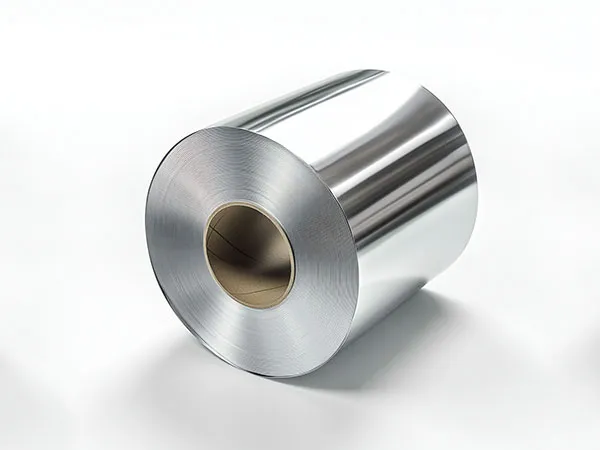
Weight directly influences installation complexity and supporting frame costs. Aluminum is approximately 65% lighter than steel for the same thickness. A typical 3′ x 5′ sign using 0.063″ aluminum weighs 7.6 lb; the same sign in 0.030″ steel (minimum for rigidity) weighs about 12.3 lb. This difference reduces roof load, wall anchor requirements, and shipping costs by up to 35%. For large-format or elevated signs, lighter aluminum allows faster installation with fewer workers, lowering labor expense.
Sign makers favor printed aluminum sheets because they can be cut, routed, and formed with standard woodworking tools, reducing tool wear and power consumption. Painted steel often requires plasma cutting or heavy-duty shears, increasing energy use and maintenance downtime. Dawei Aluminum offers pre-cut sheets optimized for digital printing, eliminating the need for post-printing edge finishing.
The flatness and surface chemistry of aluminum directly affect print adhesion and resolution. Cold-rolled aluminum sheets have a typical surface roughness (Ra) of 0.2–0.4 µm, ideal for UV-curable and solvent inks. Painted steel’s surface is inherently less uniform due to the paint layer thickness variation, leading to ink pooling or poor dot gain in fine details.
Substrate heat absorption also matters. Painted steel absorbs and retains more heat in direct sunlight, accelerating ink degradation via thermal fading and embrittlement. Aluminum’s high thermal conductivity dissipates heat quickly, keeping the printed surface cooler. Independent tests from the Sign Research Institute show that printed aluminum signs retain 95% of initial color density after 5 years, compared to 65–70% for painted steel in full sun.
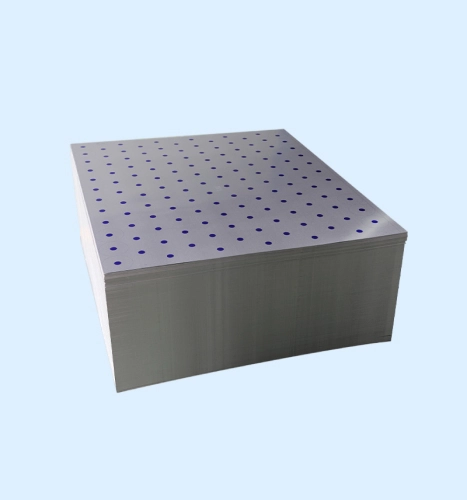
Initial material cost for printed aluminum sheet may be 20–30% higher than painted steel. However, a 10-year TCO analysis reveals substantial savings:
When these factors are calculated, printed aluminum sheet delivers a 40–50% lower lifetime cost for outdoor signage, especially in humid or coastal regions. Dawei Aluminum’s sheets are manufactured with recycling in mind, containing up to 75% post-industrial recycled content without sacrificing quality.
Regulatory and brand demands for green materials are growing. Aluminum is infinitely recyclable without loss of properties; the recycling process uses only 5% of the energy required for primary production. Painted steel, by contrast, often ends up in landfills because paint removal is energy-intensive and costly. Printed aluminum sheet from Dawei Aluminum supports LEED credits for recycled content and reduced waste. Additionally, the longer lifespan reduces the carbon footprint of multiple replacements.
When all criteria—corrosion resistance, weight, print quality, total cost, and environmental impact—are weighed objectively, printed aluminum sheet unequivocally outperforms painted steel for outdoor signs. The combination of natural passivation, lighter weight, superior thermal management, and lower maintenance makes it the logical choice for any sign that must last years while looking professional. For fabricators and brands seeking a reliable partner, Dawei Aluminum offers precision-cut, ready-to-print aluminum sheets backed by decades of material science expertise. Choosing printed aluminum today means fewer callbacks, higher customer satisfaction, and a greener built environment.