eva@dw-al.com
+86 138 388 02090
2026-04-20 09:18:49
In the modern beverage and food packaging industry, quality and safety have become the pillars of brand reputation. Among the materials that drive this sector, food grade aluminum coil for easy-open can ends plays a pivotal role, combining durability, food safety, and cost-effectiveness. Understanding its benefits and the technical requirements behind its production helps manufacturers and suppliers make informed decisions, ensuring products reach consumers safely while maintaining operational efficiency.
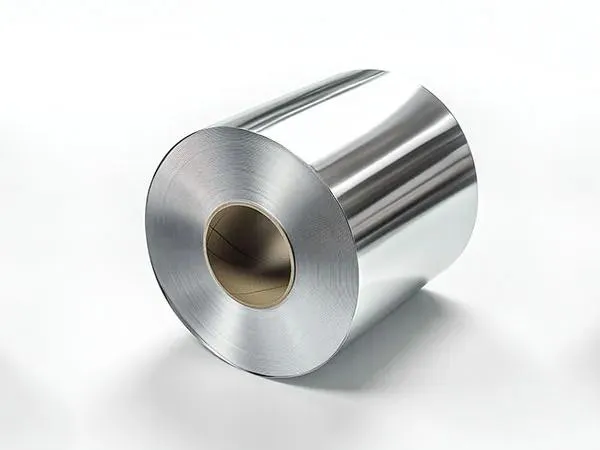
Aluminum has been widely recognized for its light weight, corrosion resistance, and excellent barrier properties. When used for easy-open can ends, it ensures that beverages and food remain fresh throughout their shelf life. The term food grade refers to aluminum that meets stringent regulatory standards, guaranteeing it is free from harmful contaminants and safe for direct contact with consumables. Using non-food-grade materials can result in chemical reactions, off-flavors, or even potential health risks, which could severely damage a brand’s credibility.
Moreover, the unique physical properties of aluminum make it an ideal choice for can ends. It is soft enough to be easily shaped into lids with pull-tabs, yet robust enough to withstand internal pressures from carbonated drinks. This balance between malleability and strength is crucial for maintaining product integrity during transportation, storage, and handling.
Producers of food grade aluminum coil must adhere to precise technical standards. Typically, these coils are manufactured from high-purity aluminum with thickness ranging between 0.20 mm to 0.30 mm, tailored to the can size and type of beverage. Uniformity in thickness and surface smoothness ensures consistent performance during stamping and forming operations. Surface finish is another critical factor, as it affects the adhesion of protective coatings and the appearance of the can end. A high-quality, smooth surface minimizes the risk of defects like pinholes or cracks during production.
In addition to physical properties, chemical composition is strictly controlled. Elements such as iron, copper, or manganese are kept within specific limits to prevent compromising corrosion resistance. Advanced rolling and annealing processes are employed to refine the aluminum’s microstructure, enhancing both strength and ductility. These technical measures ensure that the aluminum coil can endure high-speed production lines without deformation or failure.
Easy-open can ends have revolutionized the way consumers interact with packaged beverages. The pull-tab design allows for convenient opening without requiring additional tools, which aligns with modern lifestyle demands. From a manufacturing perspective, using high-quality aluminum coils minimizes the risk of production stoppages due to material defects. The coil’s uniformity ensures smooth operation of stamping and scoring machinery, reducing scrap rates and improving overall productivity.
Furthermore, easy-open can ends contribute to sustainability. Aluminum is fully recyclable, and high-quality coils support multiple recycling cycles without significant loss of properties. This aligns with growing environmental regulations and consumer demand for sustainable packaging, enhancing a brand’s market competitiveness.
Choosing a reliable supplier of food grade aluminum coil is critical for ensuring both product safety and operational efficiency. Manufacturers should evaluate suppliers based on quality certifications, production capabilities, and traceability systems. Certifications such as ISO 9001 and compliance with FDA or EU food contact regulations provide assurance that the material meets international standards. Traceability allows manufacturers to track batches, which is essential for quality control and recall management in case of unexpected issues.
Suppliers with advanced rolling, surface treatment, and inspection capabilities are preferred, as they can provide aluminum coils with consistent thickness, smooth surface finish, and uniform mechanical properties. A strategic partnership with such suppliers not only secures material quality but also ensures timely delivery, which is crucial for large-scale production planning.
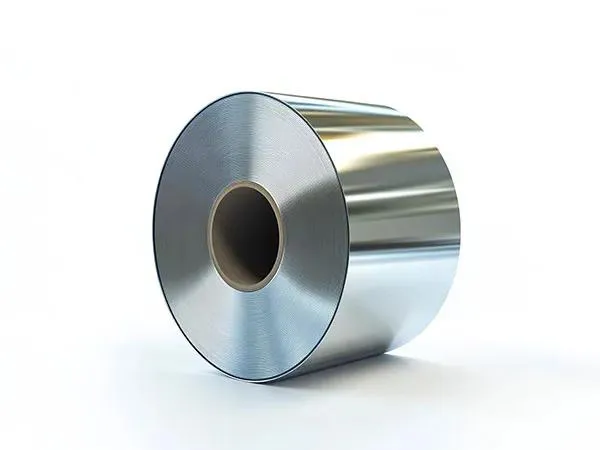
Production efficiency is closely linked to the properties of the aluminum coil. High-quality coils reduce downtime caused by machine jams, defective scoring, or tearing during stamping. Smooth surfaces and consistent thickness enhance lubrication efficiency, reduce wear on forming tools, and minimize scrap. This translates to lower operational costs and higher output, benefiting both manufacturers and end consumers.
Additionally, some modern aluminum coils come with pre-applied protective coatings that prevent oxidation during storage and handling. This feature further improves the durability of easy-open can ends, maintaining their appearance and functionality until the point of use.
The global demand for beverage cans, particularly easy-open designs, continues to grow due to the increasing popularity of ready-to-drink beverages and sustainable packaging trends. Innovations in aluminum coil production, such as ultra-thin designs and improved corrosion resistance, are expected to further optimize the performance of can ends. Manufacturers who invest in high-quality food grade aluminum coil for easy-open can ends will be well-positioned to meet evolving market needs and regulatory requirements.
Food grade aluminum coil for easy-open can ends is more than a packaging material; it is a strategic component that impacts product safety, production efficiency, and brand perception. Selecting high-quality aluminum, adhering to technical standards, and partnering with reputable suppliers are essential steps for manufacturers seeking to enhance their packaging processes. By prioritizing quality and sustainability, companies can deliver safe, reliable, and convenient products to consumers, reinforcing trust and driving business growth in the competitive food and beverage industry.