eva@dw-al.com
+86 138 388 02090
2026-04-14 02:50:24
In 2026, the market for color coated aluminum coils continues to attract attention from industries ranging from construction and automotive to electronics and home appliances. As companies plan their procurement and budgeting for the year, understanding the color coated aluminum coil price per ton 2026 becomes essential for cost management and strategic sourcing.
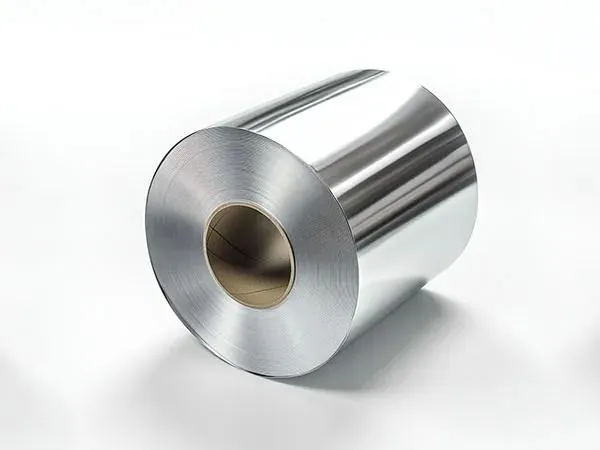
Color coated aluminum coils, also known as pre-painted aluminum coils, are aluminum sheets coated with protective and decorative layers of paint or polymer. These coils provide both aesthetic appeal and functional benefits, such as corrosion resistance, weatherproofing, and extended service life. Industries often choose these coils for roofing, façade panels, interior decoration, and appliance manufacturing.
The quality and price of these coils are influenced by several factors, including the type of aluminum alloy, thickness, coating material, surface finish, and the complexity of the color or pattern applied. In 2026, market analysts note a rising preference for high-durability coatings that can withstand environmental stress, especially in regions with extreme weather conditions.
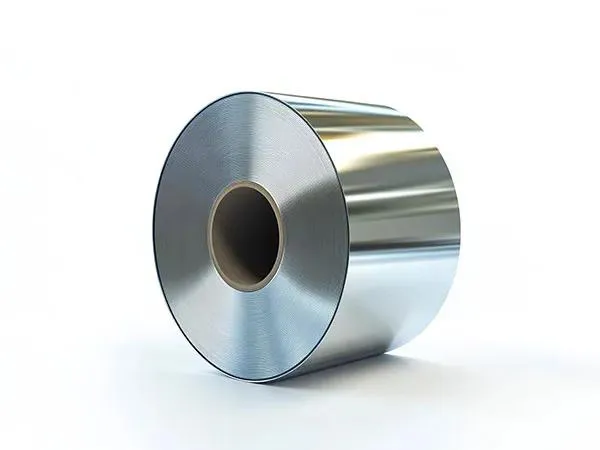
Aluminum prices, which account for a significant portion of production costs, have shown volatility due to global supply chain pressures, energy costs, and mining activities. In 2026, the price per ton of primary aluminum directly impacts the final cost of color coated coils. Manufacturers are adjusting pricing to reflect these fluctuations, making early procurement strategies crucial for buyers.
Advances in coating technology influence pricing by offering superior durability and environmental resistance. High-performance PVDF (polyvinylidene fluoride) and FEVE (fluoroethylene vinyl ether) coatings, for example, extend product life but come at a higher price. Companies seeking long-term value may opt for premium coated coils despite a higher upfront cost per ton.
Supply shortages in key aluminum-producing countries, combined with increasing demand from emerging markets, have created a competitive pricing landscape. In 2026, suppliers often implement tiered pricing strategies based on order volume and delivery timelines. Bulk purchases may secure discounts, while urgent or small orders could carry higher costs.
Production and shipping significantly affect final pricing. Aluminum coil manufacturing is energy-intensive, and the global energy market continues to influence cost per ton. Additionally, transportation expenses, particularly for international shipments, contribute to price variability. Buyers must account for logistics when calculating total procurement costs.
Environmental regulations regarding emissions and sustainable manufacturing practices are increasingly shaping the aluminum industry. Coils produced with eco-friendly processes or recycled content may come at a slightly higher cost, but they meet growing regulatory and corporate sustainability requirements.
Based on market data and supplier reports, the color coated aluminum coil price per ton 2026 is expected to fluctuate between $2,500 and $3,200, depending on specifications and market regions. Premium PVDF-coated coils or those with specialized textures may exceed this range.
Several trends are emerging in 2026:
Shift Toward High-Durability Coatings: Buyers are increasingly favoring coatings that provide longer life and better corrosion resistance, justifying a higher per-ton price.
Regional Price Variations: Prices differ across continents due to local production capacities, import duties, and transportation costs. For instance, European and North American markets may face higher costs compared to Asian markets.
Influence of Recycling Policies: Aluminum coils incorporating recycled content are gaining popularity, offering a balance between sustainability and competitive pricing.
Companies planning to purchase color coated aluminum coils in 2026 can optimize their procurement by considering several strategies:
Early Contract Negotiation: Locking in long-term contracts with suppliers can help stabilize costs amid fluctuating aluminum prices.
Specification Matching: Choosing the right alloy and coating type for specific applications ensures value for money while preventing over-specification.
Volume Consolidation: Consolidating orders can lower the per-ton price and reduce shipping costs.
Supplier Diversification: Working with multiple suppliers mitigates supply risks and allows buyers to take advantage of competitive pricing.
Sustainability Integration: Prioritizing eco-friendly coils aligns with corporate ESG goals and can prevent future regulatory cost impacts.
As industries navigate the evolving landscape of raw materials and manufacturing standards, understanding the color coated aluminum coil price per ton 2026 is critical for informed decision-making. Prices are influenced by a combination of raw material costs, technological advancements, supply-demand dynamics, and environmental regulations. Companies that strategically plan procurement, consider long-term durability, and monitor market trends can optimize costs while securing high-quality materials.
Investing in premium, well-coated aluminum coils not only ensures structural integrity and aesthetic appeal but also supports sustainable business practices. For businesses in construction, appliance manufacturing, or automotive sectors, staying informed about price trends and market factors in 2026 will drive smarter sourcing decisions and enhance operational efficiency.