eva@dw-al.com
+86 138 388 02090
2026-04-28 01:37:12
When selecting materials for architectural panels, roofing, signage, or industrial equipment, the choice of surface finish on aluminum coils plays a critical role in determining longevity, maintenance needs, and overall performance. A common debate in the industry revolves around anodized aluminum coil vs painted: which is more durable? Understanding the differences between these two finishes can help manufacturers, designers, and end-users make informed decisions for projects that require both aesthetic appeal and structural integrity.
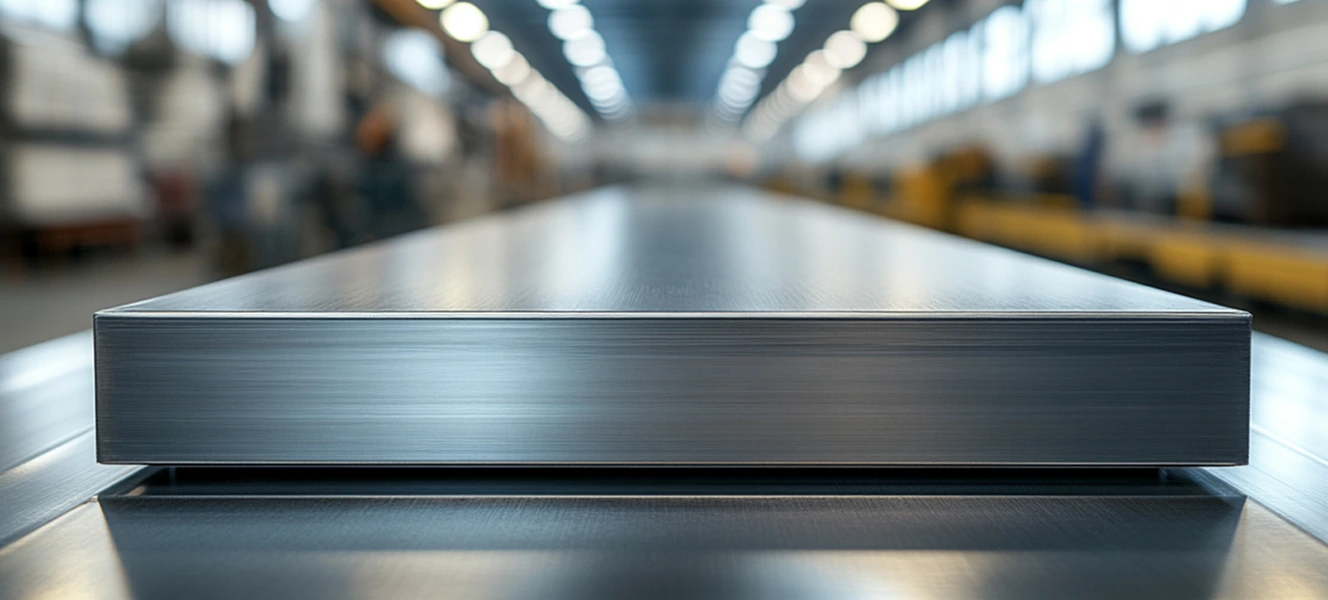
Anodizing is an electrochemical process that converts the surface of aluminum into a durable, corrosion-resistant oxide layer. Unlike paint, which merely sits on top of the metal, anodized aluminum becomes part of the material itself. This oxide layer ranges in thickness depending on the application, with architectural applications typically using layers between 5 to 25 microns. The benefits of anodized aluminum include enhanced resistance to UV radiation, excellent wear resistance, and superior protection against corrosion in both indoor and outdoor environments.
One of the most notable characteristics of anodized aluminum is that the finish is colorfast. Unlike painted surfaces that can fade or peel over time, the anodized layer retains its appearance for decades with minimal maintenance. Moreover, anodized aluminum is highly resistant to scratching, which makes it an ideal choice for high-traffic applications, such as exterior cladding or elevator panels, where durability and long-term appearance are crucial.
Painted aluminum coils, in contrast, rely on a coating system to protect the metal surface. Modern coatings, such as PVDF (polyvinylidene fluoride) and polyester paints, offer a wide range of colors, textures, and gloss levels. High-quality painted aluminum can resist weathering, UV degradation, and chemical exposure to a certain degree, making it suitable for decorative facades, signage, and automotive components.
However, the durability of painted aluminum depends heavily on the quality of the coating and the preparation of the aluminum substrate. Poor surface preparation, low-quality paint, or exposure to harsh environments can lead to issues such as chipping, cracking, and fading over time. Unlike anodized surfaces, painted aluminum requires regular maintenance to preserve its aesthetic appeal and protective properties. In extreme conditions, such as coastal or industrial areas, painted aluminum may deteriorate faster than anodized options due to chemical corrosion or abrasion.
When comparing anodized aluminum coil vs painted: which is more durable?, several factors must be considered:
Corrosion Resistance
Anodized aluminum provides a permanent oxide layer that protects the underlying metal from oxidation. Even if the surface is scratched, the anodic layer continues to protect the metal beneath. Painted aluminum relies on the integrity of the coating; once scratched or chipped, the exposed metal is vulnerable to corrosion, especially in humid or salty environments.
UV and Weather Resistance
Anodized finishes are inherently resistant to UV radiation, meaning they retain their color and gloss for decades without fading. Painted surfaces, while available in vibrant colors, are more susceptible to fading under prolonged sun exposure, particularly if lower-grade coatings are used.
Maintenance Requirements
Anodized aluminum requires minimal maintenance. Simple cleaning with mild detergents is usually sufficient to maintain its appearance. Painted aluminum, depending on the coating type and environment, may require periodic repainting or touch-ups to prevent degradation.
Scratch and Abrasion Resistance
Anodized aluminum is significantly more scratch-resistant than painted finishes. The oxide layer is hard and can withstand physical impact better than a paint film. While high-performance paints can improve abrasion resistance, they generally do not match the inherent hardness of anodized surfaces.
Aesthetic Longevity
While painted aluminum offers greater flexibility in color and texture, anodized aluminum provides a long-lasting metallic sheen that does not peel, crack, or discolor. For applications where enduring elegance is essential, anodized aluminum often outperforms painted alternatives.

Selecting between anodized and painted aluminum depends on project requirements. For applications exposed to harsh environments, high humidity, or frequent contact, anodized aluminum coils provide superior durability and minimal long-term maintenance. On the other hand, painted aluminum is an excellent choice for projects requiring customized colors or decorative effects, provided that the proper coating system and maintenance plan are implemented.
It is also important to consider environmental sustainability. Anodized aluminum is more environmentally friendly in the long term because it avoids frequent repainting and associated solvent use. In contrast, painted aluminum may require recoating over the life of the product, which increases environmental impact and lifecycle costs.
In the debate of anodized aluminum coil vs painted: which is more durable?, anodized aluminum generally offers superior longevity, corrosion resistance, and minimal maintenance. Painted aluminum provides flexibility in color and design but requires higher maintenance and is more susceptible to wear, scratching, and fading. By understanding the strengths and limitations of each finish, architects, manufacturers, and end-users can make strategic decisions that balance aesthetic goals, environmental conditions, and long-term durability.
For those seeking a combination of robust protection, long-term value, and low maintenance, anodized aluminum remains the clear choice. However, for projects emphasizing vibrant design and custom color, high-quality painted aluminum, coupled with careful maintenance, can also meet performance expectations. Evaluating the environment, usage conditions, and design priorities is key to making the optimal selection.