eva@dw-al.com
+86 138 388 02090
2026-04-08 05:44:40
Aluminum has long been a preferred material for heat exchanger coils due to its exceptional thermal conductivity, lightweight nature, and corrosion resistance. For industries that rely on efficient heat transfer, such as HVAC, refrigeration, and industrial process systems, understanding the thermal conductivity of aluminum coil for heat exchangers is crucial in designing and maintaining high-performance equipment.
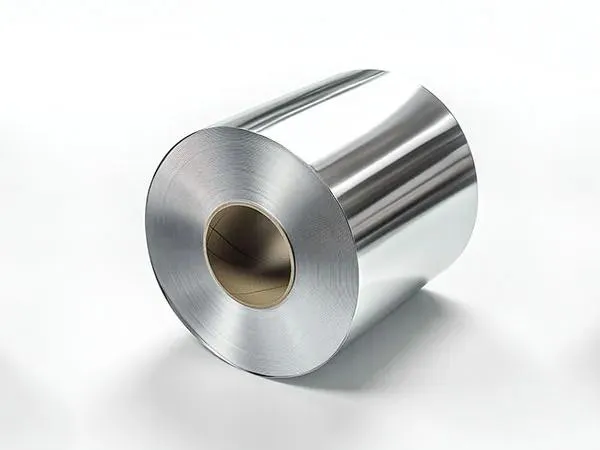
Thermal conductivity is a material property that measures the ability to transfer heat. In the context of heat exchangers, higher thermal conductivity allows the coil to transfer heat from one fluid to another more efficiently. Aluminum coils excel in this regard because pure aluminum has a thermal conductivity of approximately 235 W/m·K at room temperature, which is significantly higher than that of stainless steel (around 16 W/m·K) and copper (around 385 W/m·K). While copper has higher conductivity, aluminum is preferred in many modern heat exchangers due to its lower density, cost-effectiveness, and ease of manufacturing into complex shapes.
Efficient thermal conduction in aluminum coils ensures faster heating or cooling of fluids, reduces energy consumption, and increases the overall lifespan of the heat exchanger. Industries that prioritize energy efficiency and operational reliability find aluminum coils to be a practical and sustainable choice.
Although aluminum inherently offers excellent thermal conductivity, several factors can influence its real-world performance in heat exchangers:
Alloy Composition: Aluminum used in coils is often alloyed with elements like silicon, copper, or magnesium to enhance mechanical strength and corrosion resistance. However, adding alloying elements can slightly reduce thermal conductivity compared to pure aluminum. Selecting the right balance between strength and heat transfer efficiency is vital for optimized performance.
Coil Thickness: The thickness of aluminum fins or tubes affects how efficiently heat is conducted. Thicker material may improve durability but can slow heat transfer. Engineers must carefully design coil thickness to balance mechanical stability and thermal efficiency.
Surface Treatment: Treatments such as anodizing, coating, or passivation can protect aluminum coils from corrosion, especially in harsh environments like seawater cooling systems. However, some surface treatments may reduce thermal conductivity slightly. Proper selection ensures corrosion protection without significantly impacting heat transfer.
Temperature Range: Thermal conductivity of aluminum slightly decreases as temperature rises. In high-temperature industrial processes, engineers must account for this property to maintain accurate heat exchanger design and performance.
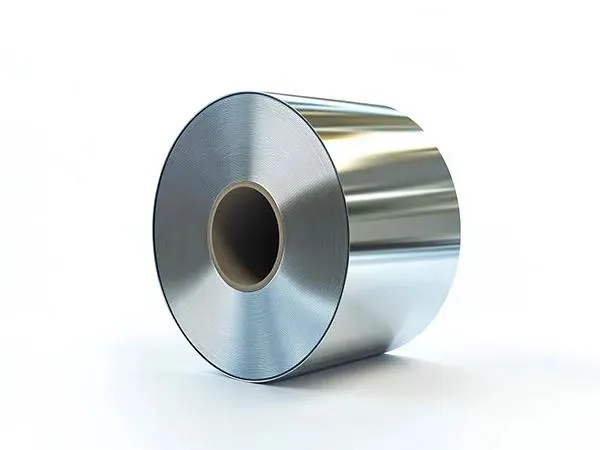
The thermal conductivity of aluminum coil for heat exchangers directly influences the efficiency of various applications:
HVAC Systems: Aluminum coils provide rapid heating or cooling in air conditioning units and heat pumps, reducing energy costs and improving occupant comfort.
Refrigeration: Commercial and industrial refrigeration units benefit from aluminum coils due to their lightweight nature, which allows for compact designs without compromising heat transfer.
Automotive Radiators: High-performance vehicles rely on aluminum radiator coils to maintain optimal engine temperatures under extreme conditions.
Industrial Heat Exchangers: Chemical plants, power generation facilities, and process industries use aluminum coils to achieve efficient heat recovery and maintain operational safety.
When designing or purchasing heat exchangers, engineers and facility managers should consider the following for optimal thermal performance:
Material Purity: Higher purity aluminum offers better thermal conductivity. For applications requiring maximum efficiency, coils made from 1100 or 1350 aluminum alloys are preferred.
Design Geometry: Coil fin density, tube diameter, and spacing affect airflow and heat transfer. Computational fluid dynamics (CFD) simulations can help optimize coil geometry for peak efficiency.
Maintenance Practices: Accumulation of dust, scale, or corrosion can reduce heat transfer efficiency. Regular inspection and cleaning ensure aluminum coils maintain their thermal performance over time.
Compatibility with Fluids: Aluminum is compatible with water, glycol mixtures, and many refrigerants. Selecting compatible fluids prevents corrosion and maintains high thermal conductivity.
Compared to traditional copper or steel coils, aluminum coils offer several advantages:
Cost-Effectiveness: Aluminum is generally less expensive than copper, making it an economical choice for large-scale installations.
Lightweight Structure: Aluminum’s low density reduces structural requirements, simplifying installation and reducing mechanical stress.
Corrosion Resistance: Natural oxide formation on aluminum surfaces protects against rust, extending coil lifespan.
Formability: Aluminum can be easily extruded or rolled into complex shapes, allowing for innovative heat exchanger designs.
Understanding the thermal conductivity of aluminum coil for heat exchangers is essential for engineers, designers, and industrial professionals who aim to maximize energy efficiency, equipment performance, and longevity. By considering factors such as alloy composition, coil geometry, surface treatment, and maintenance practices, businesses can ensure that their heat exchangers operate at optimal efficiency. Aluminum’s combination of high thermal conductivity, lightweight design, corrosion resistance, and cost-effectiveness makes it a top choice across multiple industries. Investing in high-quality aluminum coils not only improves heat transfer performance but also enhances sustainability by reducing energy consumption and operational costs over the lifespan of the equipment.
For companies looking to optimize their heat exchangers, partnering with a reliable supplier of aluminum coils ensures access to materials engineered for peak thermal performance, durability, and adaptability to diverse industrial environments.