eva@dw-al.com
+86 138 388 02090
2026-06-01 02:24:51
Selecting custom printed aluminum panels for building facades requires balancing aesthetics with long-term durability. Architects, contractors, and property owners must evaluate material thickness, coating systems, printing methods, and manufacturer reliability to ensure the panels withstand weather, UV exposure, and physical wear for decades. This guide provides a professional framework for making informed decisions, with practical insights from industry experience.
Long-lasting panels begin with the correct alloy. 5000 or 6000 series aluminum alloys are preferred for facade applications due to their corrosion resistance and structural strength. Panel thickness typically ranges from 2mm to 4mm — for high-traffic or wind-prone areas, 3mm or greater is recommended to prevent deformation over time.
Before printing or coating, panels undergo chemical pre-treatment (e.g., chromate or chromium-free conversion coating). This step ensures proper adhesion of subsequent layers and dramatically reduces the risk of peeling or blistering in humid environments.
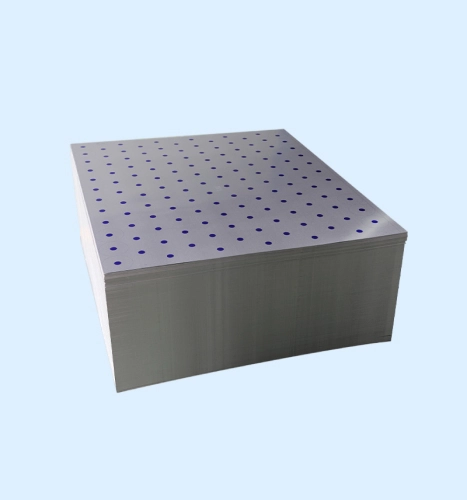
For custom designs with high detail, UV-curable digital printing offers superior color vibrancy and scratch resistance. Screen printing remains cost-effective for solid colors but lacks the resolution and fade resistance of UV printing. Always request accelerated UV testing (QUV) data from your supplier to verify lightfastness over 5–10 years.
High-performance acrylic or polyester inks combined with a clear protective topcoat extend panel life. The coating must be compatible with the aluminum substrate to prevent micro-cracking under thermal expansion. Reputable manufacturers like Dawei Aluminum apply multi-layer systems that meet AAMA 2605 standards for exterior architectural coatings.
When evaluating custom printed aluminum panels, consider these critical differences between standard and premium options:

Leading manufacturers use spectrophotometers to match Pantone colors accurately. For unique architectural visions, panels can replicate wood, stone, or metallic finishes through advanced printing. Dawei Aluminum offers a digital color library and free mock-up samples to verify final appearance before production.
Custom sizes should be optimized for your facade’s module to minimize waste and joints. Check that the panel design allows for proper drainage and thermal movement. Ribbed, perforated, or embossed panels require careful printing alignment — discuss your plan with technical experts during the specification phase.
Partnering with an experienced fabricator is as important as the materials themselves. Look for:
Dawei Aluminum, with over 15 years in the industry, provides custom printed aluminum panels that meet strict performance benchmarks. Their technical team assists with material selection, structural calculations, and installation guidelines to ensure your facade remains beautiful and intact for decades.

With proper material selection and coating, high-quality panels like those from Dawei Aluminum can last 20–30 years. Printing itself retains color integrity for 10–15 years under normal outdoor conditions.
Minor scratches can be touched up with matching paint. For larger damage, individual panels can be replaced without affecting adjacent modules — always order spare panels during the initial production.
Yes, aluminum composite panels with fire-retardant cores (e.g., A2 rated) are available for building codes. Dawei Aluminum can supply panels meeting ASTM E84 Class A standards.
By prioritizing material quality, printing technology, and manufacturer credibility, you ensure that your custom printed aluminum facade delivers both visual impact and long-term performance.