eva@dw-al.com
+86 138 388 02090
2026-01-15 06:04:17
Aluminium is celebrated as one of the most versatile and widely used metals in modern industry, prized for its lightweight nature, strength, and natural resistance to corrosion. Yet, to fully unlock its potential, anodizing has become an essential surface treatment, transforming standard aluminium sheets into high-performance, durable materials.
In this article, we explore the key benefits and practical applications of anodized aluminium sheets, highlighting why architects, engineers, and manufacturers increasingly rely on this advanced material across multiple industries.
Anodized aluminium is aluminium that has undergone an electrochemical treatment called anodizing, which thickens its naturally occurring oxide layer. Unlike paint, powder coating, or plating, anodizing forms a permanent, integral protective layer that enhances both durability and aesthetics.
Key characteristics of this process include:
Corrosion resistance: Protects aluminium from rust, oxidation, and environmental damage.
Surface hardening: Improves scratch, abrasion, and wear resistance.
Aesthetic flexibility: Allows for a wide range of colors, textures, and finishes without the need for paint or coatings.
This makes anodized aluminium a preferred choice for applications where performance, longevity, and appearance are equally important.
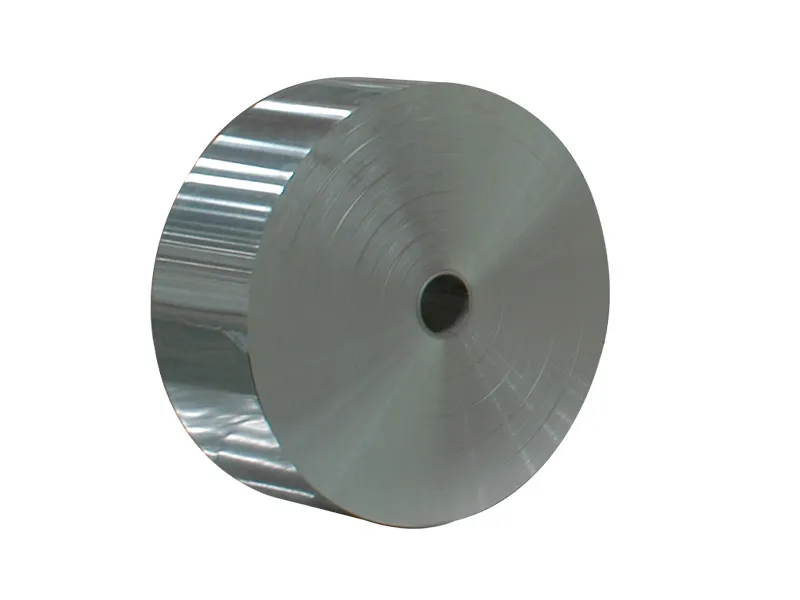
1. Exceptional Corrosion Resistance
The anodic layer created during anodizing forms a barrier against moisture, salt, and chemicals, making anodized aluminium ideal for marine environments, outdoor architectural structures, and industrial equipment. Unlike standard aluminium, which can degrade over time, anodized sheets retain their integrity and appearance even under harsh conditions.
Example: Curtain walls, outdoor signage, and marine panels last significantly longer when anodized, reducing replacement and maintenance costs.
2. Increased Surface Hardness and Durability
Anodizing strengthens the aluminium surface, making it more resistant to scratches, dents, and wear. This is especially valuable for products exposed to friction, mechanical stress, or frequent handling, such as industrial panels, vehicle components, and consumer electronics.
Technical insight: The anodic layer is harder than pure aluminium, giving it a Mohs hardness of around 7, comparable to some types of glass.
3. Enhanced Aesthetic Options
Anodized aluminium sheets can be finished in matte, glossy, metallic, or vibrant colored surfaces. The color is integral to the oxide layer, meaning it won’t peel or fade easily, unlike paint or coatings. Designers and architects can achieve high-quality visual effects while maintaining the material’s functional properties.
Trend insight: Popular in modern architecture and high-end electronics, anodized finishes convey a premium, polished look without compromising durability.
4. Low Maintenance and Longevity
Unlike painted or coated aluminium, anodized surfaces require minimal upkeep. They do not chip, peel, or discolor under UV exposure, and simple cleaning with mild detergents is usually sufficient. Over time, this translates into lower lifecycle costs for both manufacturers and end users.
5. Environmentally Friendly
Anodizing is a sustainable, non-toxic process. The oxide layer is inert, stable, and fully recyclable, unlike many chemical coatings that involve volatile organic compounds (VOCs) or heavy metals. Choosing anodized aluminium aligns with modern environmental and regulatory standards, which is increasingly important in construction, transportation, and consumer products.
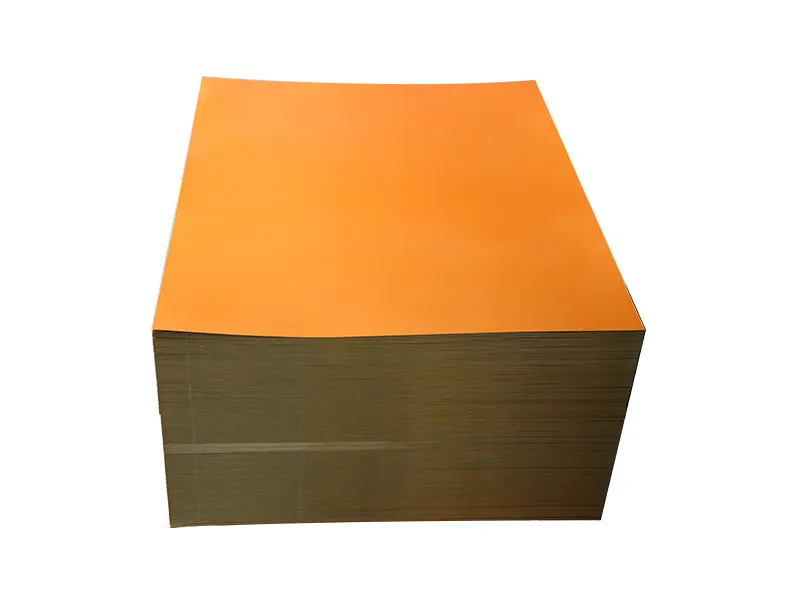
1. Architecture and Construction
Anodized aluminium is widely used in curtain walls, façades, roofing panels, and interior cladding. Its corrosion resistance ensures long-term performance in exposed environments, while the range of finishes allows architects to implement innovative designs without additional coatings.
2. Transportation
In the automotive, aerospace, and railway industries, anodized aluminium is valued for being lightweight yet durable. It is used for body panels, trims, frames, and interior components, contributing to fuel efficiency and structural integrity while resisting corrosion.
Example: High-speed trains and aircraft often incorporate anodized aluminium to reduce maintenance requirements while maintaining a sleek finish.
3. Consumer Electronics
Devices such as laptops, smartphones, and tablets frequently use anodized aluminium for their casings. The anodic layer not only improves durability but also provides a premium tactile experience and modern metallic aesthetic.
Trend insight: The rise of thin, lightweight electronics has increased demand for anodized aluminium as a protective and decorative material.
4. Industrial Equipment
In heavy machinery, equipment panels, housings, and frames benefit from anodized aluminium due to its wear resistance, corrosion protection, and ease of maintenance. The result is longer equipment life and reduced downtime, critical factors in industrial production.
5. Signage and Decorative Products
Anodized aluminium maintains vibrant color and sharp details over time, making it ideal for signage, nameplates, and decorative items. It performs well in both indoor and outdoor environments, resisting fading and weathering even under prolonged exposure to sunlight or harsh weather.
Anodized aluminium sheets combine strength, durability, aesthetic versatility, and environmental friendliness, making them a go-to material for a wide range of industries—from construction and transportation to electronics and industrial equipment.
For businesses aiming to enhance product performance, reduce maintenance costs, and deliver a premium look, investing in anodized aluminium sheets is a smart and sustainable choice. By selecting anodized aluminium, companies not only improve product longevity but also align with modern design trends and eco-friendly standards.