eva@dw-al.com
+86 138 388 02090
2026-01-23 06:20:20
Aluminium is one of the most widely used metals in modern industry. Its combination of lightweight, corrosion resistance, and excellent thermal conductivity makes it indispensable in sectors ranging from automotive and aerospace to architecture and electronics. However, welding aluminium sheets is not as straightforward as welding steel—each alloy reacts differently to heat, and improper technique can easily lead to weak joints, warping, or porosity.
In this guide, we break down the most effective welding strategies for different aluminium sheet alloys, highlighting practical tips and common pitfalls so manufacturers can achieve strong, durable, and visually clean welds.
Aluminium alloys fall into two main categories: wrought alloys (rolled or extruded) and casting alloys (molded). Within these categories, different series have distinct characteristics:
High corrosion resistance, excellent formability, but relatively low strength.
Common applications: marine structures, roofing panels, decorative facades.
Welding requires careful heat control to avoid warping and maintain the alloy’s aesthetic surface.
Moderate to high strength, often containing silicon or magnesium.
Widely used in automotive panels, industrial equipment, and consumer electronics enclosures.
Slightly more heat-sensitive than 1xxx–3xxx; requires proper preheating and filler selection.
Very high strength, containing zinc and magnesium, often used in aerospace and defense.
Welding is challenging because these alloys are prone to hot cracking and distortion.
Specialized techniques like friction stir welding are usually required.
Key takeaway: Understanding the alloy type is the first step in choosing the correct welding method, parameters, and filler materials.
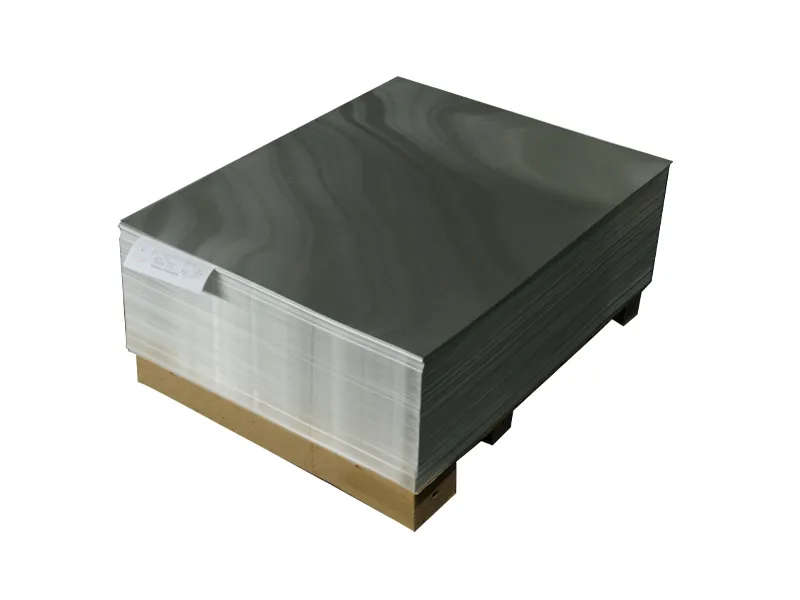
Tungsten Inert Gas (TIG) welding is ideal for thin sheets (0.5–3 mm), especially in series 1xxx–3xxx, where precision and appearance are critical.
Why TIG is preferred:
Produces clean, spatter-free welds suitable for visible surfaces
Offers precise heat control, reducing distortion
Supports aesthetic and structural quality, especially on polished or architectural surfaces
Practical TIG welding tips:
Use AC current to break through the tough aluminium oxide layer.
Maintain a short arc length to avoid overheating the sheet.
Thoroughly clean joints using a stainless steel brush or chemical cleaner before welding.
Choose filler rods compatible with the base alloy to preserve corrosion resistance.
If welding very thin sheets, consider tacking pieces before final welds to prevent warping.
Applications: Marine panels, architectural facades, decorative enclosures, thin automotive body panels.
Metal Inert Gas (MIG) welding is best for thicker aluminium sheets or production-line work, particularly with series 5xxx and 6xxx alloys.
Advantages of MIG welding:
Faster welding speed for large production batches
Provides deep penetration, suitable for thicker sections
Strong mechanical joints when filler metals are matched to base alloy
Operational tips for MIG welding aluminium:
Use pulsed MIG settings to manage heat and avoid burn-through.
Preheat sheets thicker than 4–5 mm to reduce cracking risks.
Ensure wire diameter and composition match the base alloy for optimal corrosion resistance.
Avoid welding in drafts or humid environments to prevent porosity.
Applications: Automotive frames, industrial machinery casings, transport containers.
Friction Stir Welding (FSW) is a solid-state welding method ideal for series 7xxx and other high-strength alloys where conventional welding could cause cracking or strength loss.
Why FSW works:
Metal does not melt, reducing porosity and shrinkage
Minimal distortion of sensitive components
Maintains mechanical strength, essential for safety-critical parts
Best practices for FSW:
Maintain consistent tool speed and pressure to ensure uniform welding.
Properly clamp or back up components to prevent movement during welding.
Ensure the joint surface is free of oxides and contaminants.
Applications: Aerospace structural components, defense equipment, high-performance automotive parts.
Even with the correct technique, aluminium welding has inherent challenges:
Porosity
Caused by moisture, oil, or trapped gases
Solution: Dry sheets thoroughly, clean surfaces, and use proper shielding gas
Hot Cracking
High-strength alloys are susceptible during cooling
Solution: Preheat metal, select compatible filler, avoid excessive heat input
Oxide Layer
Aluminium oxide melts at a higher temperature than aluminium
Solution: Mechanical cleaning or chemical etching before welding
Practical tip: Conduct a trial weld on scrap material to fine-tune settings and filler selection before welding critical components.
Welding aluminium sheets is both an art and a science. Success requires:
Understanding the alloy type and its heat response
Selecting the appropriate welding technique—TIG, MIG, or FSW
Meticulous surface preparation and heat control
By mastering these elements, manufacturers can produce strong, durable, and visually flawless welds, whether it’s a thin architectural panel, a thick automotive chassis, or a precision aerospace component.
Pro tip: Investing in the right welding equipment, proper training, and thorough material testing not only improves weld quality but also reduces rework, saves production time, and ensures compliance with safety standards.