eva@dw-al.com
+86 138 388 02090
2025-12-11 07:03:19
Coated aluminum sheets are widely used in construction, automotive, signage, and industrial manufacturing. Their lightweight structure, corrosion resistance, and long service life make them ideal for demanding environments. However, bending coated aluminum without damaging the surface coating can be challenging. Scratches, peeling, and micro-cracks not only affect appearance but also reduce product durability.
This guide explains the best practices and proven techniques to bend coated aluminum sheets smoothly and safely—while keeping the surface fully protected.
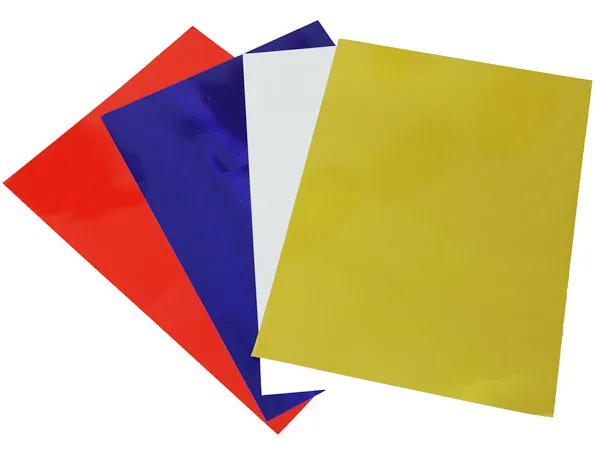
Before forming, it’s important to understand factors that influence bending performance.
• Coating Types
PVDF coatings – excellent UV resistance; require controlled bending
Polyester coatings – economical, moderate flexibility
Anodized coatings – hard surface, lower flexibility during forming
• Sheet Thickness
Thicker sheets reduce cracking risk but require larger bend radii.
• Temperature Sensitivity
Some coatings soften under heat while others become brittle. Always check the coating’s temperature tolerance before applying heat.
A proper setup greatly reduces coating damage.
• Work Surface Preparation
Keep the table clean and smooth
No metal debris or burrs
• Tooling Protection
Use rubber pads, plastic pads, or soft inserts
Avoid direct metal-to-metal contact
• Recommended Equipment
CNC press brakes with protective dies
Roll-forming machines for long or curved shapes
• Air Bending
Minimal tool contact reduces coating stress.
• V-Bending with Soft Inserts
Soft pads (Teflon, rubber) prevent scratches during angle forming.
• Roll Forming
Ideal for long panels; gradual pressure protects surface coatings.
• Incremental or Step Bending
Perfect for tight radii—bend progressively to avoid cracking.
• Use Protective Films
Apply a removable protective film to avoid accidental scratches.
• Apply Light Lubrication
Reduces friction between the sheet and tooling.
• Temperature Control
Avoid overheating; only preheat aluminum if recommended by the coating manufacturer.
• Surface Inspection
Check for micro-cracks, peeling, or die marks.
• Safe Film Removal
Peel protective films slowly to avoid lifting coatings.
• Minor Surface Repair
Use manufacturer-approved touch-up paint or non-abrasive polishing tools.
Test machine settings on a scrap piece first
Inspect and clean press brake dies regularly
Choose softer aluminum tempers (H14, H24) for easier bending
Maintain consistent bending speed and pressure
Conclusion
Bending coated aluminum sheets without damaging the surface is achievable with proper preparation, the right tools, and the correct bending techniques. By understanding coating characteristics, protecting the sheet during forming, and following industry-recommended practices, manufacturers can achieve smooth, accurate, and damage-free results.
Whether you are producing building cladding, signage, or automotive panels, these methods will help ensure that your coated aluminum sheets maintain their original appearance and long-term durability.