eva@dw-al.com
+86 138 388 02090
2025-12-15 07:06:35
Coated aluminum sheets are widely used in construction, transportation, aerospace, and packaging industries due to their lightweight structure, corrosion resistance, and design flexibility. However, the true performance and service life of coated aluminum sheets depend not only on the coating material itself but also on the surface treatment techniques applied before and during coating.
Effective surface treatment enhances coating adhesion, improves corrosion resistance, and ensures consistent appearance under demanding environmental conditions. This article explores the most common and advanced surface treatment methods for coated aluminum sheets and explains how they contribute to durability and long-term performance.
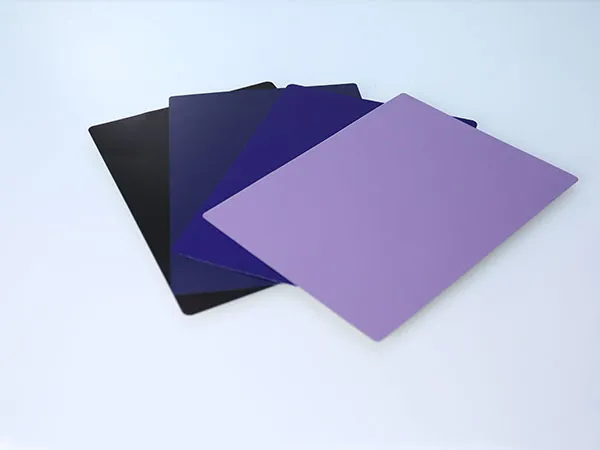
To achieve stable coating quality, coated aluminum sheets typically undergo several surface preparation and treatment processes. The most widely adopted methods include:
Chemical Conversion Coating
Chemical conversion coatings, such as chromate conversion or anodizing, create a protective oxide layer on the aluminum surface. This layer significantly improves corrosion resistance while providing an ideal base for subsequent coatings. As a result, coating adhesion and long-term stability are greatly enhanced.
Mechanical Surface Preparation
Mechanical treatments like sandblasting, brushing, or polishing are used to remove surface contaminants and create a uniform texture. By increasing surface roughness, these methods improve mechanical bonding between the aluminum substrate and the coating, reducing the risk of peeling or delamination.
Electrochemical Surface Treatment
Electrochemical processes, including electro-polishing, help eliminate micro-defects and achieve a smoother, more consistent surface. This leads to improved coating uniformity, enhanced appearance, and better resistance to environmental stress.
Pre-Treatment and Priming
Applying suitable pre-treatment solutions and primers is a critical step in coated aluminum sheet production. Proper priming ensures chemical compatibility between the aluminum substrate and the coating, especially in applications requiring long-term outdoor durability.
Coating adhesion is one of the most important performance indicators for coated aluminum sheets. Poor adhesion can result in blistering, cracking, or premature corrosion. Several factors directly influence adhesion quality:
Surface cleanliness and preparation level
Surface roughness and texture uniformity
Chemical compatibility between coating and substrate
Coating application methods such as roll coating, spray coating, or powder coating
Optimized surface treatment ensures strong bonding between layers, improving mechanical performance and extending the service life of coated aluminum sheets.
Modern coating systems provide both protection and functional benefits. Common coating options include:
Polyester Coatings
Known for good UV resistance and color stability, polyester coatings are widely used in exterior panels and general industrial applications.
PVDF (Polyvinylidene Fluoride) Coatings
PVDF coatings offer superior weather resistance, chemical stability, and long-term color retention, making them ideal for architectural facades and high-end building materials.
Polyurethane Coatings
These coatings provide excellent scratch resistance and aesthetic flexibility, suitable for applications requiring enhanced surface durability.
Selecting the right coating technology depends on environmental exposure, mechanical requirements, and expected service life.
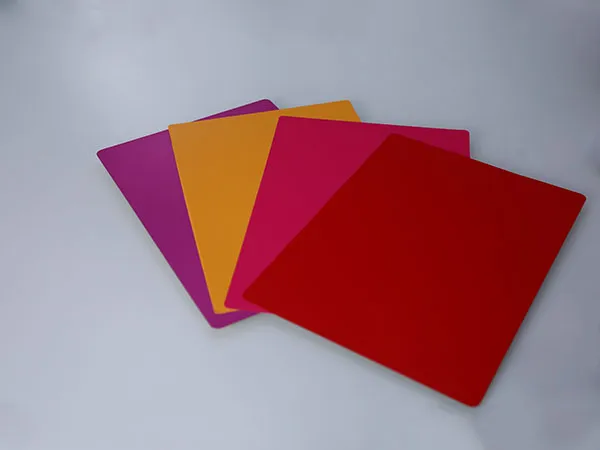
Surface treatment must be carefully coordinated with downstream processing steps such as cutting, bending, and roll forming. Improper handling during fabrication may lead to micro-cracks or coating damage.
To ensure consistent quality, manufacturers typically implement strict quality control measures, including:
Cross-hatch adhesion testing
Salt spray corrosion testing
Coating thickness and uniformity inspections
These tests help verify compliance with international standards and ensure reliable performance in real-world applications.
Applying advanced surface treatment techniques to coated aluminum sheets delivers multiple advantages:
Improved Corrosion Resistance – Protects against harsh environmental conditions
Enhanced Mechanical Performance – Maintains coating integrity during forming and installation
Superior Aesthetic Quality – Ensures consistent color and smooth finish
Long-Term Cost Efficiency – Reduces maintenance and replacement costs
For manufacturers, engineers, and architects, understanding coated aluminum sheet surface treatment techniques is essential for achieving reliable performance and long-term durability. By combining proper mechanical preparation, chemical and electrochemical treatments, and advanced coating technologies, businesses can produce high-quality coated aluminum sheets that meet the demands of modern industrial and architectural applications.
Well-optimized surface treatment not only improves product performance but also adds lasting value throughout the entire lifecycle of coated aluminum sheets.