eva@dw-al.com
+86 138 388 02090
2026-02-25 02:58:21
Printed aluminum sheets have emerged as a versatile and durable material widely used in architecture, interior design, signage, and industrial applications. Their combination of lightweight strength, corrosion resistance, and vibrant printing capability makes them ideal for projects that demand both aesthetics and durability. However, achieving a flawless printed finish on aluminum sheets is not always straightforward. Manufacturers and designers often encounter challenges that can compromise the appearance, performance, or longevity of the final product. Understanding these common issues and applying practical solutions is crucial for maintaining consistent quality and minimizing production inefficiencies.
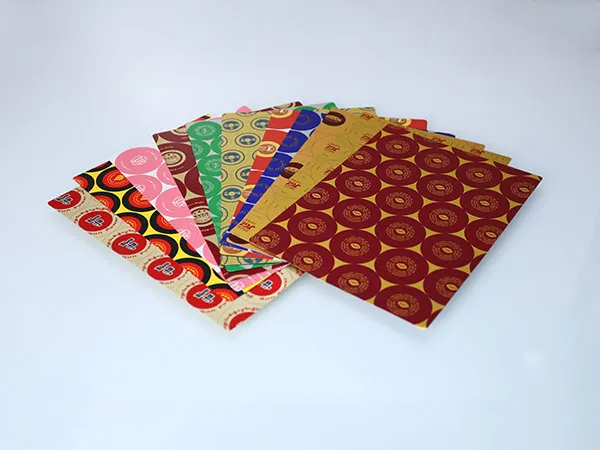
One of the most frequent challenges in printed aluminum sheet production is uneven color distribution or early fading of printed designs. This problem often stems from inconsistent ink application, variations in sheet surface texture, or incorrect curing procedures. For example, digital or screen-printed designs may appear blotchy if the ink layer is too thin in certain areas or if the curing temperature is uneven.
Practical Solutions:
Use high-quality inks specifically formulated for aluminum surfaces, including UV-resistant options for outdoor applications.
Ensure printing machines are regularly calibrated to maintain consistent pressure and ink flow.
Apply protective clear coatings or laminates to enhance durability and resist fading caused by UV exposure.
Test a small batch under real-world conditions to identify potential color inconsistencies before full-scale production.
Aluminum sheets can easily develop scratches, dents, or other surface defects that become highly visible once printed. These issues may result from improper handling during storage or transportation, abrasive cleaning methods, or residual contaminants on the surface. Even minor imperfections can disrupt the printing process, leading to unwanted blotches or uneven patterns.
Practical Solutions:
Store sheets in protective packaging with soft padding and avoid stacking heavy materials on top.
Handle sheets with clean gloves to prevent fingerprints, smudges, or surface oils from affecting print quality.
Inspect each sheet before printing and remove any damaged pieces to avoid compromised results.
Use non-abrasive cleaning methods and ensure the sheet surface is dust-free prior to printing.
Poor ink adhesion is another common challenge that can result in peeling, cracking, or flaking over time. This issue is typically caused by insufficient surface preparation, such as untreated surfaces, residual oils, or dust contamination. Adhesion problems are especially critical in outdoor applications where temperature and moisture fluctuations can further stress the bond between the ink and aluminum substrate.
Practical Solutions:
Thoroughly clean and degrease sheets using appropriate solvents or cleaners.
Apply primers designed for aluminum surfaces to enhance ink adhesion.
Ensure the surface is completely dry before printing and maintain controlled environmental conditions during the process.
Conduct adhesion tests on a small sample to confirm compatibility between ink, primer, and aluminum type.
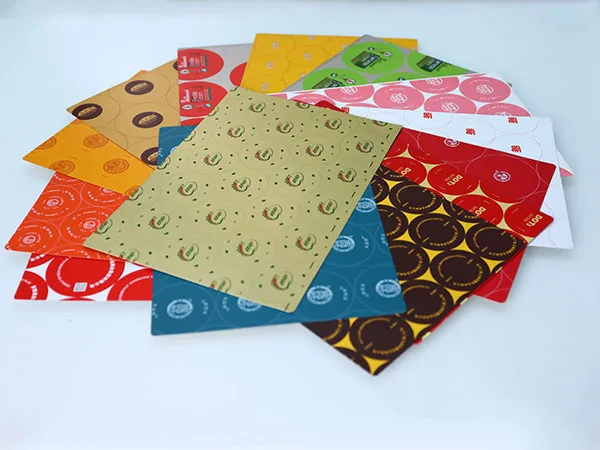
Aluminum sheets, although lightweight and strong, are susceptible to warping when subjected to high heat during curing or uneven environmental conditions. This can lead to misaligned prints, stress lines, or distorted designs, particularly in large-format sheets used in architectural panels or signage.
Practical Solutions:
Choose aluminum sheets with consistent thickness and high-quality alloy composition to reduce thermal sensitivity.
Avoid rapid temperature changes during curing; gradual heating and cooling cycles help maintain flatness.
Use secure fixtures, clamps, or jigs during the printing process to prevent movement and maintain a level surface.
Plan for adequate spacing and ventilation in curing ovens to ensure uniform heat distribution.
Smudging or blurred prints are often caused by incomplete curing, low-quality inks, or high humidity levels during printing. These issues can ruin a batch of sheets and result in costly rework. Smudging is particularly problematic in high-speed production environments where sheets may be handled or stacked before full ink drying.
Practical Solutions:
Ensure the ink curing process follows manufacturer-recommended time and temperature parameters.
Use inks that are compatible with aluminum substrates and designed for rapid drying.
Control the printing environment, maintaining low humidity and stable temperature conditions.
Avoid handling sheets until the ink is fully cured and consider using drying racks to allow adequate airflow.
Printed aluminum sheets offer unmatched versatility, combining durability, lightweight properties, and exceptional aesthetic appeal. However, producing high-quality prints requires careful attention to detail at every stage—from material selection and surface preparation to printing, curing, and handling. By addressing common issues such as uneven color, surface defects, poor adhesion, warping, and smudging, manufacturers and designers can ensure a consistent, long-lasting finish that meets both functional and visual standards.
Adopting rigorous quality control procedures, investing in premium materials and inks, and following industry best practices not only improves production efficiency but also strengthens customer confidence. Companies that master the art of troubleshooting in printed aluminum sheet production can deliver superior products that stand out in the competitive marketplace, driving repeat business and establishing a reputation for reliability and excellence.